
01
Why DWD exists
Better judgement starts long before the first conversation.
DWD provides independent judgement before significant commitments are made, helping organisations challenge assumptions and make decisions without pressure, hype or fear.
Independent by design
DWD was not created because the market needed another consultancy.
It was created because the way technology is often sold no longer reflects the way organisations make decisions.
Too much technology is still sold through urgency, fear and the promise of the next essential investment. That may create attention; it does not create trust.
Technology decisions now sit alongside business, governance and commercial decisions. The advice should reflect that.
Technology advice has to mature because business has matured.
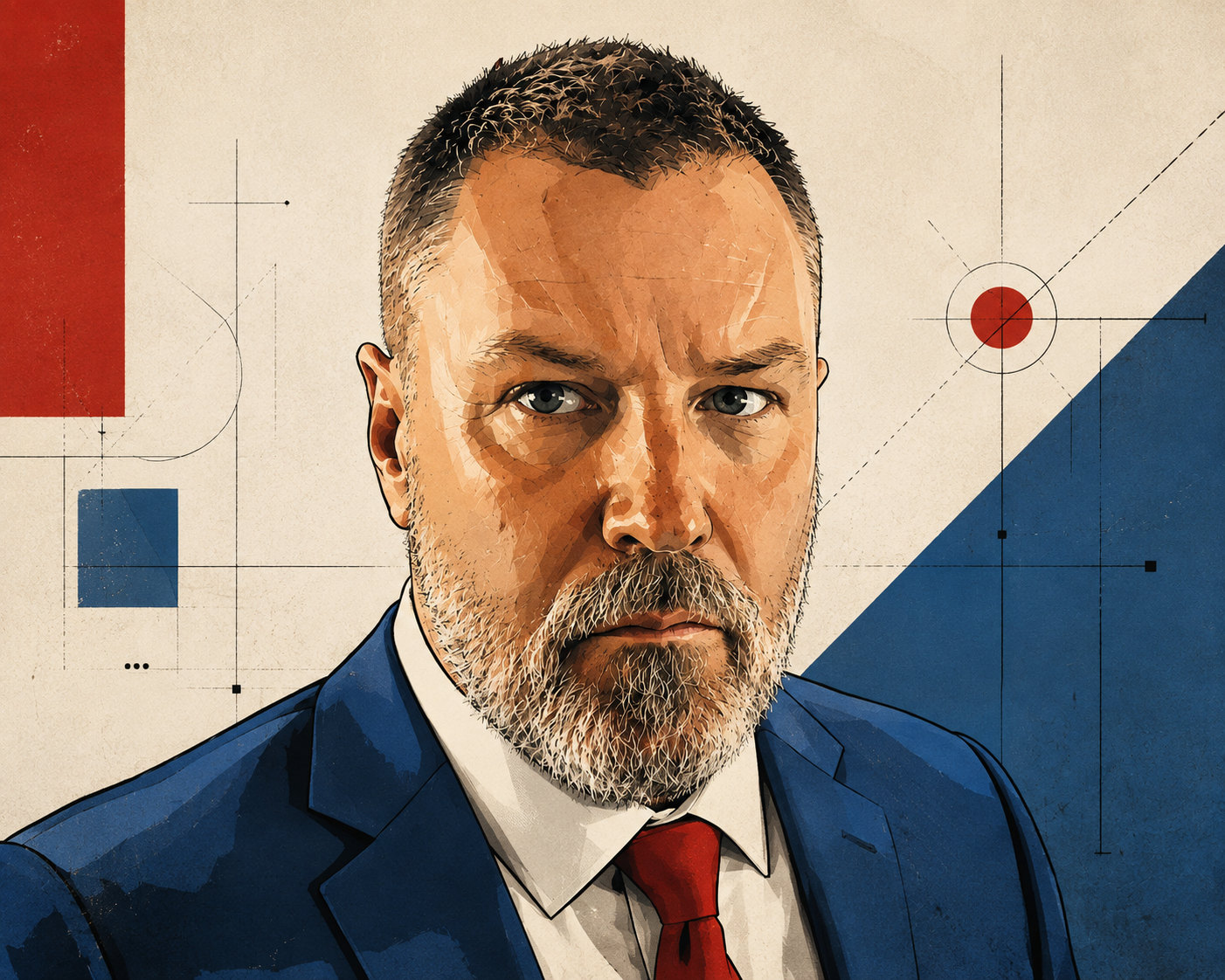
The judgement behind DWD
Experience informs judgement.
A broad career shaped by one consistent objective: getting the customer the right outcome.
My career has crossed enterprise technology, cyber security, architecture, governance, partner development and commercial strategy.
Across all of it, the same lesson keeps coming back: understand the problem before reaching for the answer.
I judge the business by the last piece of work delivered, not by what we say about ourselves.
That means challenging where it helps, being practical about what can change and staying focused on the outcome.
Principles
The principles behind every engagement.
02
Check what is actually true
03
Make progress you can sustain
04
Do work that changes something
05
Leave the relationship stronger
What that experience changes
A wider view of the decision.
I have bought, sold and advised on technology.
That makes it easier to recognise when a product genuinely fits the problem and when the commercial story is doing too much of the work.
I have designed it and delivered it.
Architecture and delivery experience keep dependencies, implementation effort and what happens after the decision in view.
I have worked with governance as an operating problem.
Frameworks and standards matter, but only when ownership, controls and evidence work outside the document.
Start the conversation
Every engagement starts with a conversation, not a proposal.
Start with what you are trying to achieve, what is getting in the way and what success should look like.